
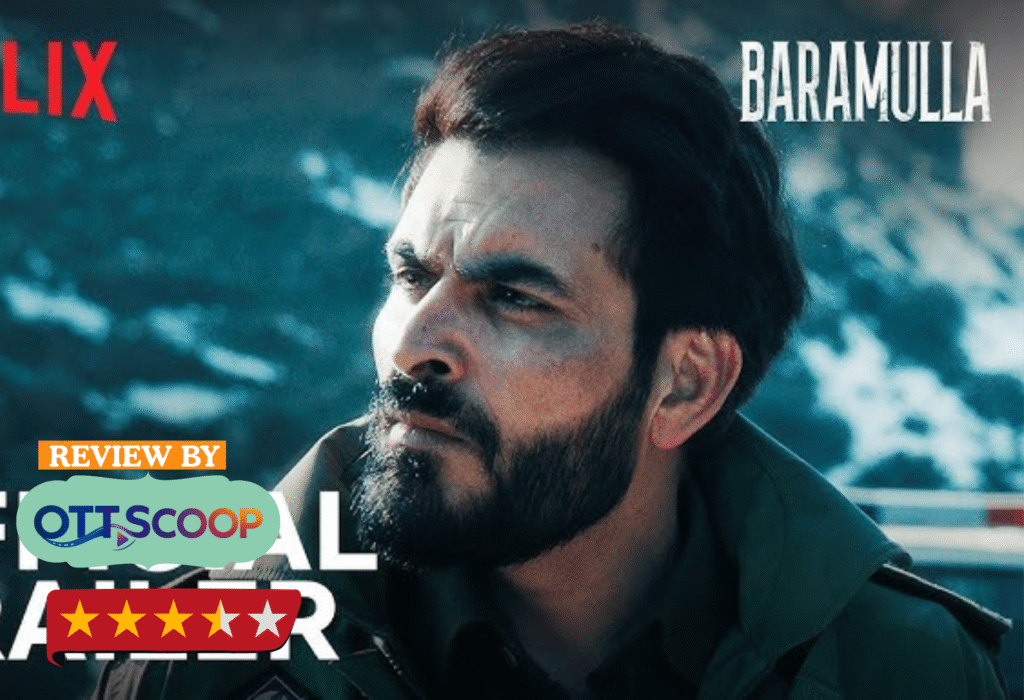
Set in the politically charged landscape of Kashmir in 2016, Baramulla opens with the arrival of DSP Ridwaan Shafi Sayyid, a man burdened by grief and duty. He’s posted to investigate a disturbing pattern: children disappearing, each case marked by the presence of a white tulip-a symbol that grows increasingly ominous.
As Ridwaan moves into a colonial-era house with his family, the walls begin to whisper. The house is not just haunted-it’s a vessel of memory, trauma, and unresolved history. What begins as a procedural investigation spirals into a supernatural descent, where folklore, fear, and political silence collide.
Performances That Leave a Mark
- Manav Kaul delivers a masterclass in restraint and emotional depth. His portrayal of Ridwaan is not loud-it’s aching, haunted, and deeply human.
- Bhasha Sumbli as Gulnaar brings quiet strength, portraying a woman caught between maternal instinct and creeping dread.
- Arista Mehta and Rohaan Singh, as the children, embody innocence in a world that’s anything but safe.
Direction That Blends Horror with History
Director Aditya Suhas Jambhale crafts a film that’s both visually poetic and emotionally unsettling.
- The cinematography captures Kashmir’s duality-its breathtaking beauty and its buried pain.
- The sound design is minimalist yet powerful, using silence, creaks, and whispers to evoke fear.
- The screenplay is layered, blending supernatural horror with socio-political commentary, making Baramulla a film that lingers long after it ends.
Themes That Resonate
- Grief and Memory: Ridwaan’s personal loss mirrors Kashmir’s collective mourning.
- Folklore as Resistance: The supernatural elements are metaphors for silenced voices and forgotten truths.
- The Haunted House as History: The home becomes a symbol of inherited trauma and buried secrets.
- Silence as Violence: The film critiques the systems that fail to protect, choosing silence over justice.
Final Verdict:
Baramulla is not just a horror film-it’s a cinematic meditation on loss, silence, and the ghosts we carry. It’s a film that dares to ask uncomfortable questions, using genre storytelling to explore truths that often go unspoken. For audiences seeking cinema that’s introspective, haunting, and socially aware, Baramulla is a must-watch.